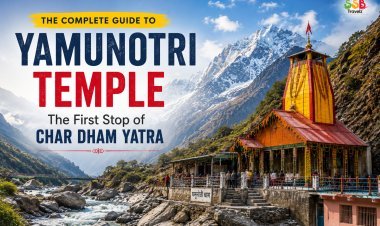

Yamunotri Temple: The Complete Guide to the First Stop of Char Dham Yatra
A complete guide to Yamunotri Temple — its history, altitude, how to reach it, best time to visit, and what the trek actually feels like for pilgrims.
 ssbtarvels
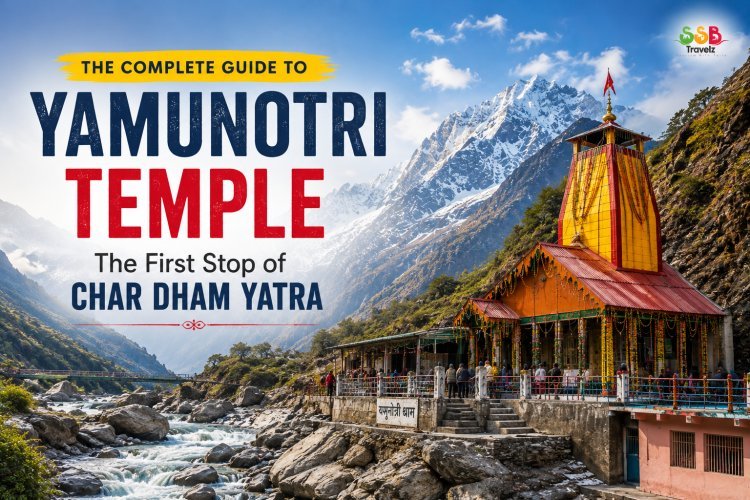
Planning to start your Char Dham Yatra but not sure where the journey actually begins? Yamunotri is the answer. This guide covers everything about the temple — its history, how to reach it, when to go, and what to genuinely expect on the trek.
Where Yamunotri Fits in the Char Dham Yatra
The Char Dham Yatra covers four sacred shrines in the Garhwal Himalayas — Yamunotri, Gangotri, Kedarnath, and Badrinath. Pilgrims traditionally visit them in a clockwise sequence, and Yamunotri is always the first stop.
There's a practical reason for this order, not just a religious one. Yamunotri sits at a comparatively lower altitude than the other three shrines, so beginning here allows the body to adjust gradually to the mountain terrain and thinner air before the yatra gets more physically demanding.
The Story Behind Yamunotri
Yamunotri is dedicated to Goddess Yamuna, one of India's most sacred rivers. According to Hindu belief, she is the daughter of the Sun God, Surya, and the twin sister of Yama, the god of death. Because of this connection, it's believed that bathing in her waters can protect a person from an untimely or painful death — which is why Yamunotri holds such deep emotional significance for pilgrims, beyond just being the starting point of the yatra.
Ancient texts also mention that the sage Asit Muni had his ashram near Yamunotri, spending his life in devotion to the river goddess. That legacy of devotion is part of what makes this place feel different the moment you arrive.
The Temple Itself
The current Yamunotri temple was built in the 19th century by the royal family of Tehri Garhwal, after an earlier structure was damaged by natural forces in the region. Inside, you'll find a black marble idol of Goddess Yamuna, along with a smaller idol of Goddess Ganga placed beside her.
One detail that surprises many first-time visitors: right next to the temple are natural hot water springs, known as Surya Kund. Pilgrims traditionally cook rice and potatoes in this boiling water as an offering — a ritual unique to Yamunotri among all the Char Dham sites.
Just outside the temple stands a large rock known as Divya Shila, which devotees touch and pray before as part of entering the shrine.
Location and Altitude
Yamunotri temple sits at an altitude of approximately 3,293 metres in the Garhwal Himalayas, Uttarakhand, close to the base of Kalind Parbat. The true source of the Yamuna river lies much higher, at the Yamunotri Glacier near Bandarpunch peak — but that point is extremely difficult to reach, so pilgrims worship at the temple, which is considered the accessible spiritual source.
How to Reach Yamunotri
Getting to Yamunotri involves a mix of road travel and a final trek, since no vehicle can go all the way to the temple.
- By Air: The nearest airport is Jolly Grant Airport in Dehradun, roughly 200 km away.
- By Train: The nearest major railway stations are Dehradun and Rishikesh, both well connected to Delhi and other major cities.
- By Road: The typical route is Rishikesh → Barkot → Janki Chatti, covering around 220 km by road.
- The Final Stretch: From Janki Chatti, the temple is about 6 km away, and this last part must be covered on foot, or by hiring a pony or palanquin, since it's not accessible by vehicle.
Most pilgrims base themselves overnight in Barkot or Janki Chatti before attempting the trek early the next morning.
When Yamunotri Is Open
Unlike many temples that stay open year-round, Yamunotri operates on a strict seasonal calendar due to extreme Himalayan winters.
- Opens: Around Akshaya Tritiya, typically in April
- Closes: Around Bhai Dooj, typically in October or November
During the closed winter months, the idol is moved to Kharsali village nearby, where worship continues even while the main temple is inaccessible under snow. If you're planning your yatra, always confirm the exact opening and closing dates for that specific year, since they shift slightly based on the lunar calendar.
Best Time to Visit
The ideal window for visiting Yamunotri is May–June and again mid-September to October. These months offer more stable weather and safer trekking conditions. It's best to avoid the monsoon months of July and August, when the region sees frequent landslides that can disrupt travel and even close roads temporarily.
What the Trek Actually Feels Like
Numbers alone don't prepare you for the walk. The 6 km trek from Janki Chatti climbs steadily uphill through pine forests and along the sound of the Yamuna river below, with the mountain air growing noticeably cooler as you gain altitude.
Many pilgrims describe the final stretch — when the temple comes into view against the backdrop of snow-capped peaks — as the moment the entire journey starts to feel worth it. It's physically demanding, especially for those unaccustomed to altitude, but the pace is manageable for most people in reasonably good health.
Practical Tips for Pilgrims
- Carry warm layers — even in summer, temperatures drop sharply after sunset at this altitude.
- Consult a doctor beforehand if you have any pre-existing health conditions, especially heart or respiratory issues, before attempting the trek.
- Book pony or palanquin services in advance at the prepaid counters in Janki Chatti if you'd prefer not to walk the full distance.
- Pack basic medication for altitude-related headaches or stomach discomfort, since these are common even among fit travelers.
- Check the weather and road conditions before you leave, as sudden rain can affect the route, especially outside the peak season.
Frequently Asked Questions
Can senior citizens do the Yamunotri trek? Many senior citizens do complete this trek, often using ponies or palanquins for part or all of the distance. It's strongly advised to consult a doctor beforehand, given the altitude and physical demands involved.
Is Yamunotri accessible by road all the way? No. Vehicles can only reach Janki Chatti. The final 6 km to the temple must be covered on foot, pony, or palanquin.
Why is Yamunotri visited first in the Char Dham Yatra? It's the lowest in altitude among the four shrines, making it a natural starting point that helps pilgrims gradually acclimatize before the more physically demanding stops ahead.
What is Surya Kund famous for? It's a natural hot spring next to the temple where pilgrims traditionally cook rice and potatoes as an offering — a ritual unique to Yamunotri.
Final Thoughts
Yamunotri isn't just a checkpoint on the way to the other three Dhams — it's a place with its own story, its own rituals, and its own quiet intensity. Whether you're beginning the full Char Dham circuit or visiting Yamunotri on its own, understanding its history and preparing properly for the trek makes the experience far more meaningful than simply ticking off a destination.